 843 655 3181
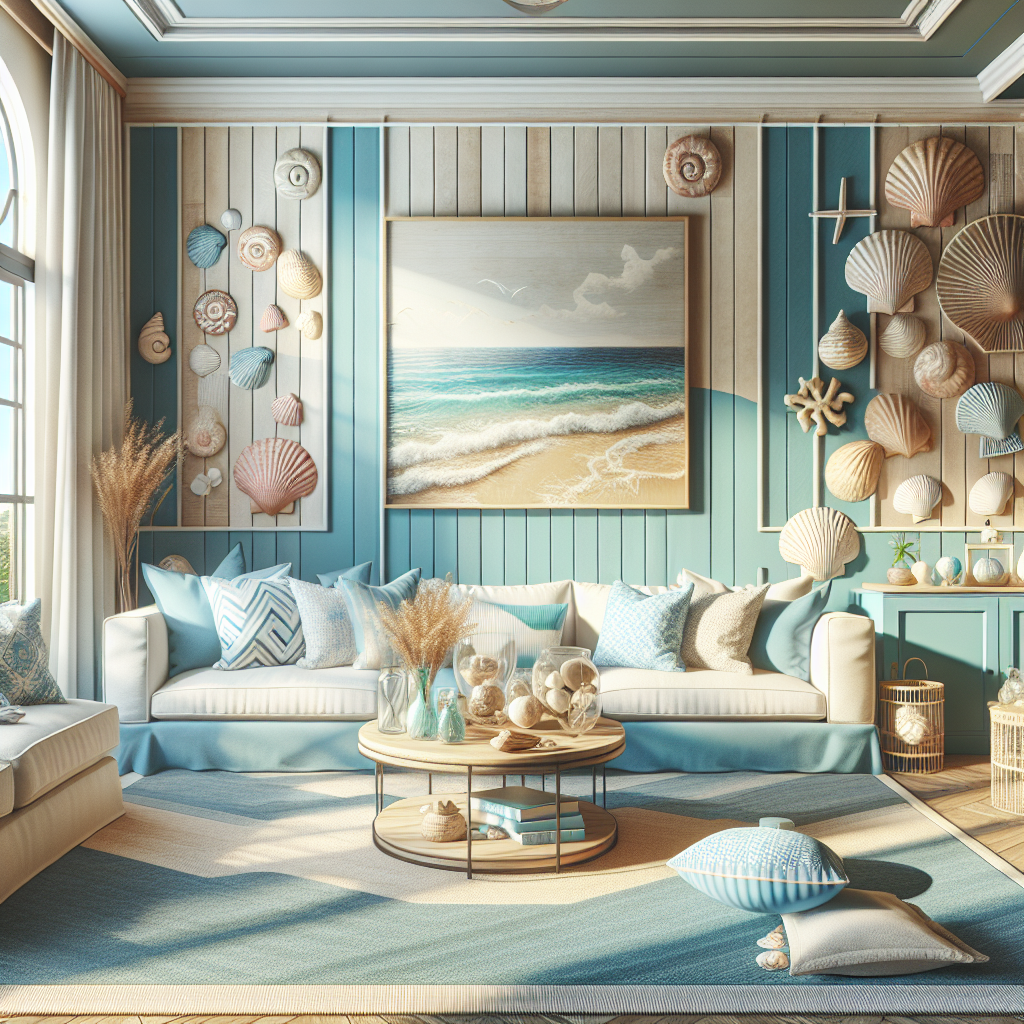
Custom Interior Painting Services That Transform Your Home
Understanding the Impact of Color Psychology in Interior Spaces
Ever walked into a room and felt instantly uplifted or, conversely, inexplicably anxious? Color plays a pivotal role in shaping our emotions and behaviors. In fact, studies show that up to 90% of snap judgments made about products can be based on color alone. That’s not just paint on the walls; it’s a psychological game-changer.
Imagine you’re a busy professional returning home after a long day. You step into your living room painted in calming blues and greens, and suddenly the stress of the day begins to melt away. Now picture the same space decked out in fiery reds or stark blacks—suddenly, it feels less like a sanctuary and more like an interrogation room. This is where custom interior painting comes into play, allowing you to curate not just aesthetics but also ambiance.
The Psychological Palette
Colors evoke emotions and reactions that can significantly influence how we feel in our spaces. Here’s a quick rundown of how certain hues can impact your mood:
– Blue: Calming and serene—great for bedrooms.
– Yellow: Energizing and cheerful—perfect for kitchens.
– Green: Refreshing and revitalizing—ideal for living areas.
– Red: Bold and stimulating—better suited for accent walls or dining areas.
– Neutrals: Versatile and grounding—works well in any room.
Choosing the right color isn’t just about what looks good; it’s about how it makes you feel.
Custom Interior Painting: Your Emotional Canvas
Custom interior painting allows you to tailor your environment to reflect your personality while also considering emotional impacts. For example, a family with young children might opt for vibrant colors to foster creativity, while an older couple might prefer softer tones that promote relaxation. The beauty of custom painting is that it's not one-size-fits-all; it’s about creating spaces that resonate with who you are.
Trends Worth Trying
Color blocking is making waves in interior design. This technique involves using multiple colors within one space to create distinct areas. For instance, pairing a soothing blue with a vibrant coral can define different zones within an open-concept living area while adding visual interest.
Another trend is earthy tones, which are becoming increasingly popular as people seek comfort and connection to nature within their homes. Think terracotta, muted greens, and soft browns—all colors that evoke warmth and tranquility.
When considering custom interior painting services, remember that each color choice should serve a purpose beyond mere decoration. It should enhance your lifestyle, create comfort zones, or even stimulate creativity in work-from-home setups.
Techniques for Customizing Interior Painting Projects
Let’s talk about the art of customizing your interior painting project. Did you know that a well-executed paint job can increase your home's value by up to 10%? That's right! A fresh coat of paint isn't just for aesthetics; it’s an investment in your sanctuary.
Now, if you've ever tried to choose between a dozen shades of white, you know the struggle is real. The beauty of custom interior painting lies in its ability to transform not just walls, but the very essence of your home. Here are some techniques that will turn your paint job from basic to breathtaking.
1. Embrace Color Theory
Understanding color theory can be a game-changer. For instance, using complementary colors can create a vibrant yet balanced look. If you're feeling adventurous, try pairing a deep navy blue with a warm mustard yellow—this combo is not only striking but also adds depth and character to any room.
2. Experiment with Textures
Why settle for flat walls when you can add texture? Techniques like sponging, rag rolling, or even using stencils can create visual interest and depth. Imagine walking into a room where the walls seem to tell a story through their texture—now that’s customization at its finest!
3. Play with Patterns
Pattern might sound like a dirty word in the realm of interior design, but hear me out! Subtle patterns like stripes or geometric shapes can add an unexpected twist without overwhelming the senses. For example, consider painting one wall with vertical stripes in varying shades of your chosen color; it gives height and dimension while keeping things chic.
4. Create Accent Walls
Accent wall is not just another buzzword; it's an opportunity to showcase personality! Choose one wall to feature a bold color or even wallpaper that reflects your style—think of it as the cherry on top of your interior sundae.
'Customizing isn't just about choosing colors; it's about crafting an experience.'
5. Consider Lighting Effects – Remember that lighting plays a crucial role in how colors appear on your walls. Test samples in different lighting conditions before committing—what looks burnt orange under fluorescent lights might scream pumpkin spice under natural light!
Incorporating these techniques into your custom interior painting project will not only elevate the aesthetic appeal but also create spaces that resonate deeply with who you are. So grab those brushes and let your creativity flow!
Surface Preparation: The Foundation of a Quality Finish
Imagine this: you’ve just splurged on a custom interior painting job, and it looks fantastic—until a few months later, when the paint starts to peel like an overripe banana. Ouch! Turns out, the secret to a long-lasting finish isn’t just in the paint itself; it’s all about surface preparation.
In fact, nearly 70% of paint failures can be traced back to improper surface preparation. That’s right—before you even think about which shade of teal will make your living room pop, you need to ensure your walls are ready for the spotlight.
Why Surface Preparation Matters
Let’s break it down: surface preparation is like laying the groundwork for a solid relationship. You wouldn’t enter into a partnership without trust (or at least some good first impressions), and your walls deserve the same respect. A clean, smooth surface allows paint to adhere properly, preventing issues like bubbling, cracking, or that dreaded peeling.
- Dust and debris? Gone.
- Cracks and holes? Filled.
- Old paint? Stripped if necessary.
When you invest in custom interior painting services, you're not just getting color on your walls; you're ensuring that color lasts. Think of it as setting up a strong foundation before building your dream home—without it, everything else is at risk.
Key Steps in Surface Preparation
Step 1: Clean the Surface – Start with a thorough cleaning to remove dust and grease. A simple mixture of soap and water does wonders. For tougher stains or mildew, consider using a specialized cleaner.
Step 2: Repair Imperfections – Fill cracks or holes with spackle or joint compound. Sand these areas until smooth—think of it as giving your walls a spa day!
Step 3: Prime – A good primer not only helps with adhesion but also ensures that the final color appears vibrant and true to its shade.
Proper surface preparation can extend the life of your paint job by years!
So before you get lost in swatches and samples for your custom interior painting project, take a moment to consider this vital step. Your walls will thank you later!
Selecting the Right Paint Products for Longevity and Aesthetics
Choosing the right paint for your custom interior painting project is like picking the perfect outfit for a first date—get it wrong, and you might end up regretting your choice. Did you know that using low-quality paint can lead to needing a redo in as little as two years? That’s like wearing a trendy outfit that falls apart after one wash!
Let’s face it: nobody wants to spend time and money on a paint job only to watch it fade, peel, or worse, turn into an eyesore. So how do you avoid this disaster? It all starts with understanding what’s on the market today and how different products stack up in terms of durability and visual appeal.
Types of Paint: What to Consider
When it comes to custom interior painting, not all paints are created equal. Here’s a quick breakdown of the main types:
- Latex Paint: Water-based, easy to clean, quick-drying, and great for interiors. Perfect for walls!
- Oil-Based Paint: Offers a smooth finish and durability but takes longer to dry and requires solvents for cleanup.
- Acrylic Paint: A versatile option that combines the benefits of both latex and oil-based paints; excellent color retention.
- Chalk Paint: Ideal for achieving a vintage look; however, it may require sealing for durability.
'Choosing the right type is crucial. For high-traffic areas like hallways or children's rooms, opt for durable finishes that can withstand wear and tear.'
Finish Matters
Now let’s talk about finishes—this is where things get really interesting! The finish you choose affects not only aesthetics but also longevity.
- 'Flat/Matte: Great for hiding imperfections but less washable; ideal for ceilings or low-traffic areas.
- 'Eggshell: Offers a slight sheen while being easier to clean; suitable for living rooms or bedrooms.
- 'Satin: More durable and washable; perfect for kitchens and bathrooms where moisture is present.
- Semi-Gloss/Gloss: Reflective finishes that are super easy to clean; excellent for trim work or high-traffic areas.
The finish can make or break your project—choose wisely!
Eco-Friendly Options
Creating Cohesive Design Through Custom Painting Solutions
Imagine walking into a home where every room feels like it belongs to the same family, yet each space has its own personality. That’s the magic of cohesive design, and custom interior painting is the secret sauce that makes it happen.
Take the case of a couple in Myrtle Beach who recently transformed their beach house. They wanted their living room to exude tranquility while also reflecting their vibrant personalities. By opting for a soft seafoam green in the living area and complementing it with coral accents in the dining area, they created a seamless flow that felt both inviting and uniquely them.
The Power of Color Coordination
Color coordination is like a good playlist; it’s all about finding that perfect harmony. When selecting paint colors for different rooms, consider how they will interact with one another. This doesn’t mean every room should be painted in identical shades; rather, think of each color as an instrument in an orchestra—each plays its part while contributing to the overall symphony.
- Choose a primary color palette that resonates with your style.
- Select accent colors that can be used throughout different spaces.
- Consider how natural light affects color perception across rooms.
Custom interior painting isn't just about aesthetics; it's about creating an emotional experience.
Textures and Finishes: Adding Depth
Texture is where the magic happens! Using various painting techniques can elevate your design game from flat to fabulous. For instance, a textured wall can serve as a stunning backdrop for furniture or artwork, enhancing visual interest without overwhelming the space.
Consider this: A family room with smooth walls might feel polished but lacks warmth. Now imagine those same walls adorned with a subtle stucco finish—suddenly, you have depth and character!
Creating Zones with Color
Custom interior painting allows you to define spaces within open floor plans without physical barriers. For example, using different shades of blue to delineate between the kitchen and dining area can create visual zones while maintaining an airy feel.
In this way, custom interior painting not only beautifies but also enhances functionality by guiding movement through your home.
So whether you're looking to refresh your coastal retreat or simply want to make your suburban abode feel more like you, remember that custom interior painting is more than just slapping on some color—it's about crafting an environment that tells your story.
The Role of Lighting in Interior Painting Choices
Ever painted a room only to realize it looks totally different when the sun goes down? That’s not just your imagination—lighting can completely transform how colors appear in your home. It’s like the difference between a good hair day and a bad one; the right light can make you shine, while the wrong one can leave you looking washed out.
Consider this: according to research by the International Association of Color Consultants, up to 80% of color perception is influenced by lighting conditions. So when planning your custom interior painting project, understanding how different types of lighting interact with paint colors is crucial.
Types of Lighting and Their Effects
Let’s break down the three main types of lighting that will play a role in your color choices:
- Ambient Lighting: This is your general lighting—think ceiling fixtures or lamps. It provides an overall glow and sets the mood for the room.
- Task Lighting: Focused lighting for specific tasks, like reading or cooking. This type can highlight colors differently depending on its intensity.
- Accent Lighting: Used to draw attention to specific features, such as artwork or architectural details. Accent lighting can dramatically alter how colors are perceived.
Important takeaway: The same paint color can look strikingly different under various types of lighting.
Testing Colors in Different Lights
So how do you ensure that your custom interior painting choices won’t end up looking like a regrettable fashion choice? Start by testing samples in various lighting conditions before committing. Grab some swatches and stick them on your wall during different times of day—morning light, afternoon glow, and evening shadows all bring out unique aspects of each hue.
For instance, a soft gray may appear cool and calming during daylight but could take on a decidedly blue tone at night. Conversely, warm tones like beige or peach might feel cozy under incandescent bulbs but look dull under fluorescent lights.
Lighten Up Your Choices
'If you're unsure which direction to go with your custom interior painting project, consider how natural light enters your space. Rooms with ample natural light can handle bolder colors without feeling overwhelming, while dimly lit areas may benefit from lighter shades that reflect what little light they get.'
Incorporating these considerations into your custom painting plans will help ensure that every stroke contributes not just to aesthetics but also to an inviting atmosphere that feels just right at any time of day.
So as you embark on this colorful journey, remember: it’s not just about choosing pretty shades; it’s about creating spaces that come alive under every kind of light.
Maintaining Your Custom Painted Interiors for Longevity
You’ve invested time, effort, and maybe even a little bit of your sanity into your custom interior painting project. The last thing you want is to watch those vibrant colors fade or peel faster than a banana left out in the sun. Did you know that neglecting proper maintenance can cut the lifespan of your paint job in half? That’s right! If you want your walls to remain as stunning as the day they were painted, it’s time to roll up those sleeves and get proactive.
The Importance of Regular Maintenance
Think of your custom painted interiors like a fine wine; they need the right conditions to age gracefully. Regular maintenance not only keeps them looking fresh but also protects against wear and tear that can lead to costly repairs down the line. A little TLC goes a long way in preserving that beautiful finish.
- Dusting: Regularly dust surfaces to prevent build-up that can dull colors.
- Spot Cleaning: Address stains immediately with mild soap and water—don’t let them set!
- Touch-Ups: Keep extra paint on hand for quick touch-ups where needed.
- Humidity Control: Use dehumidifiers in high-moisture areas to prevent peeling.
A little maintenance can extend the life of your custom interior painting by years!
Common Mistakes That Shorten Lifespan
I’ll just ignore that stain until I have time to deal with it—said no one who loves their walls! Procrastination is one of the biggest culprits when it comes to damaging your paint job. Waiting too long to address issues like stains or scuffs can lead to bigger problems, such as permanent discoloration or even mold growth. Additionally, using harsh cleaning products can strip away paint finishes faster than you can say custom interior painting.
- Cleaning with abrasive tools that scratch surfaces.
- Fixing issues with mismatched paints instead of getting touch-ups done.
- Ignoring humidity levels which can warp and peel paint.
Professional Help When Needed
Sometimes, DIY isn’t enough! If you find yourself facing bigger issues like extensive peeling or bubbling paint, it might be time to call in the pros. A professional painter can assess whether it's simply a touch-up job or if more extensive repairs are needed before repainting. Plus, they’ll ensure any repairs are done using high-quality materials tailored for longevity.
So before you let those beautiful hues fade into obscurity, remember that maintaining your custom painted interiors is just as crucial as selecting them in the first place. With regular upkeep and timely interventions, you’ll keep those colors vibrant and inviting for years to come.
Collaborative Approaches: Working with Professional Painters
Imagine this: you’ve got a vision for your home’s interior, but when it comes to execution, you feel like a fish out of water. You want vibrant colors that pop, textures that speak, and a finish that lasts. But how do you translate those ideas into reality? That’s where collaborating with professional painters comes in—think of them as the translators of your artistic dreams.
Consider the case of a young couple in Myrtle Beach who wanted to transform their dated beach house into a cozy coastal retreat. They had ideas about soft blues and sandy neutrals but were unsure how to make it all work together. By engaging professional painters, they not only received expert color consultations but also learned about the latest trends in custom interior painting techniques.
The Benefits of Collaboration
Working with professional painters is more than just hiring someone to slap paint on the walls; it’s about leveraging their expertise to elevate your vision. Here are some key benefits:
- Expert Color Consultation: Professionals can guide you through color theory and help you choose shades that complement each other while enhancing your space.
- Quality Workmanship: Experienced painters know techniques that ensure a smooth finish and long-lasting results, saving you from future headaches.
- Time Efficiency: Let’s face it—painting can be time-consuming. Professionals can complete projects quickly without sacrificing quality.
- Access to High-Quality Materials: Pros often have access to premium paints and tools that aren’t available at your local hardware store.
Collaboration isn’t just about delegating tasks; it’s about creating something beautiful together.
Navigating the Process
So, how do you ensure this collaboration goes smoothly? Start by having an open dialogue with your painter. Share your ideas, inspirations, and even Pinterest boards! A great painter will listen and provide feedback based on their experience while ensuring your vision remains intact.
For example, if you're considering an intricate mural or unique texture for an accent wall, discuss how feasible those ideas are within your budget and timeline. A skilled painter will help refine those concepts into something achievable without compromising on creativity.